





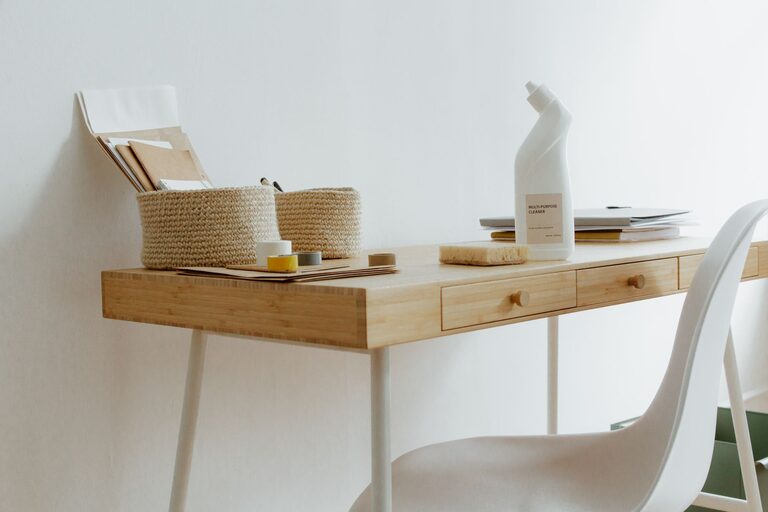
Creating a home workspace that is both clutter-free and productive can significantly improve your focus and efficiency. Whether you work remotely full-time or occasionally need a spot to get things done, having an organized environment helps reduce distractions and supports better work habits. In this guide, we’ll explore practical tips to organize your home workspace so it feels inviting and helps you stay on track.
Why a Clutter-Free Workspace Matters
Clutter can cause stress and make it difficult to focus on the tasks at hand. When your desk is overloaded with papers, office supplies, and gadgets, you may waste time searching for what you need, which leads to frustration. A tidy and intentional workspace encourages a clear mind, fosters creativity, and can even improve your mood.
Step 1: Choose the Right Location
Before organizing, it’s important to pick an appropriate spot for your workspace:
– Natural Light: Aim for a location with good natural light, which helps reduce eye strain and boost energy.
– Quiet Area: Choose a quiet corner with minimal distractions to maintain focus.
– Comfort: Ensure you have enough room for your equipment and can sit comfortably.
Even a small, dedicated space like a corner of the living room or a nook in the bedroom can work well if you set boundaries.
Step 2: Declutter and Sort
Start by clearing everything off your desk and surrounding areas. This gives you a blank slate to work with and lets you evaluate what’s truly necessary.
– Sort Items Into Categories: Papers, electronics, stationery, personal items, etc.
– Keep Essentials Only: Retain items that you use daily or weekly.
– Remove or Store Away: Put away or donate anything that doesn’t support your work.
Decluttering can be empowering—it helps reveal how much space you actually have.
Step 3: Organize With Purpose
Once you have only what you need, focus on organizing your items thoughtfully:
Use Desk Organizers and Storage
– Drawer Dividers: Keep small supplies like pens, clips, and sticky notes separated.
– File Holders: Sort documents by type or priority to avoid paper piles.
– Shelves or Cubes: Store books, binders, and extra materials within easy reach.
Arrange Items by Frequency of Use
Place items you use most often within arm’s reach. Store rarely used supplies in drawers or higher shelves. This minimizes clutter on your main surface.
Cable Management
Tangled cords can be distracting and messy. Use cable clips, ties, or sleeves to keep wires tidy and out of sight.
Step 4: Add Functional and Inspiring Elements
Enhancing your workspace isn’t just about removing clutter—it’s also about creating an environment that motivates you.
– Comfortable Chair: Invest in an ergonomic chair that supports good posture.
– Task Lighting: Use adjustable lamps for focused lighting during late work sessions.
– Personal Touches: Add a plant, artwork, or a photo that makes the space feel welcoming without overwhelming it.
Keep decorations minimal to maintain a clean look.
Step 5: Establish Daily and Weekly Habits
Maintaining your workspace organization requires habits that prevent clutter from building up again.
– End-of-Day Clean-Up: Spend a few minutes each day putting things back in their place.
– Weekly Review: Go through papers and supplies weekly to discard or reorganize as needed.
– Digital Organization: Regularly clear your computer desktop and organize files for a clutter-free digital space.
Step 6: Optimize for Productivity
Consider strategies to help your workspace support productive work sessions:
– To-Do List or Planner: Keep a list visible to keep track of priorities.
– Noise Control: Use noise-canceling headphones or white noise to minimize distractions.
– Break Zones: If space allows, designate an area separate from your desk for stretching or quick breaks to refresh your mind.
Final Thoughts
Creating a clutter-free and productive home workspace is a process that combines thoughtful organization, smart design, and daily habits. By choosing the right location, minimizing unnecessary items, and introducing purposeful storage solutions, you’ll set the stage for better focus and efficiency. Remember, your workspace should serve you—it needs to fit your style and workflow, so feel free to adapt these tips to what works best for you.
With a clean and inspiring environment, you’re ready to tackle your tasks with renewed energy and confidence!



More Stories