




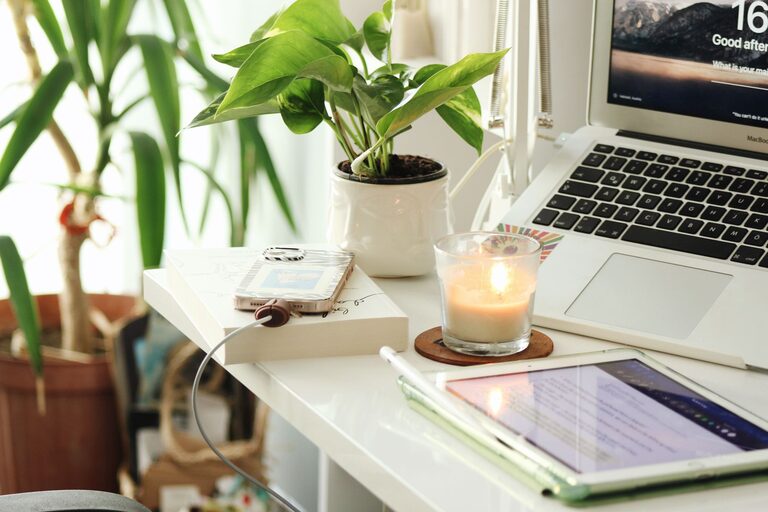
Creating a productive home office environment is essential for staying focused and efficient while working remotely. With the right setup, you can improve your comfort, minimize distractions, and enhance your overall work experience. Whether you’re new to working from home or looking to optimize your current space, these tips will help you create an environment that supports productivity.
Choose the Right Location
Selecting the right spot for your home office is the first step. Ideally, pick a quiet area away from high traffic zones in your home. This helps reduce noise and interruptions.
– Natural light: Position your desk near a window if possible. Natural light can boost mood and energy levels.
– Away from distractions: Avoid areas near the TV, kitchen, or living room where noise and activity are common.
– Space considerations: Make sure there is enough room for your desk, chair, and any equipment you need without feeling cramped.
Invest in Comfortable and Functional Furniture
Your furniture plays a big role in comfort and productivity.
– Ergonomic chair: Choose a chair that supports good posture to avoid back pain during long work hours.
– Desk size: Ensure your desk is large enough to hold your computer, notebooks, and other materials.
– Adjustable options: Desks or chairs with adjustable heights allow you to find the best position for your body.
Organize Your Workspace
Keeping your workspace tidy can help you stay focused and reduce stress.
– Declutter regularly: Remove unnecessary items and keep only what you need on your desk.
– Storage solutions: Use shelves, drawers, and organizers to keep papers and office supplies neat.
– Cable management: Use clips or cable boxes to avoid tangled cords.
Set Clear Boundaries
It’s important to mentally separate work from home life.
– Define work hours: Create a schedule to start and finish work at specific times.
– Communicate: Let your family or housemates know your work hours and when you shouldn’t be disturbed.
– Dress for work: Changing into work clothes can help shift your mindset from home to professional mode.
Minimize Digital Distractions
Phones, social media, and notifications can disrupt your focus.
– Use “Do Not Disturb” modes: Silence notifications during focused periods.
– Limit social media: Set specific times to check social media instead of browsing throughout the day.
– Use productivity apps: Consider apps that block distracting websites when you need focused time.
Personalize Your Space
Adding personal touches can make your home office more inviting and motivating.
– Plants: Adding greenery can improve air quality and create a soothing environment.
– Artwork or photos: Personal items can boost positivity and create a pleasant atmosphere.
– Comfort items: A cozy blanket, cushions, or a footrest can add to your comfort.
Optimize Lighting and Temperature
Proper lighting and temperature impact both comfort and alertness.
– Layered lighting: Combine overhead lights with desk lamps to reduce eye strain.
– Adjustable lighting: Dimmable lamps can help you set the right mood for different tasks.
– Temperature control: Keep the room at a comfortable temperature to avoid distractions caused by being too hot or cold.
Take Regular Breaks
Taking breaks is critical to maintaining productivity and mental clarity.
– Follow the Pomodoro technique: Work for 25 minutes, then take a 5-minute break.
– Move around: Use breaks to stretch, walk around, or do light exercises.
– Change your environment: Briefly stepping outside or moving to a different room can refresh your mind.
Establish Effective Communication Habits
Working remotely means relying on virtual communication.
– Use video calls thoughtfully: Schedule meetings efficiently and have a quiet space for clear conversations.
– Set response times: Manage expectations about when you’ll reply to messages or emails.
– Use collaboration tools: Platforms like Slack, Trello, or Microsoft Teams can help keep communication organized.
Regularly Assess and Adjust Your Setup
Your needs may change over time, so it’s useful to periodically evaluate your office environment.
– Solicit feedback: If you share your space, check what’s working and what could improve.
– Try new layouts: Rearrange furniture occasionally to find the most comfortable arrangement.
– Upgrade tools and equipment: As your work evolves, investing in better technology or supplies can enhance productivity.
—
Creating a productive home office environment is a process that blends practical setup with healthy work habits. By focusing on comfort, organization, and minimizing distractions, you can build a space that helps you do your best work every day. Remember, a well-designed home office not only supports productivity but also contributes to your overall well-being.



More Stories
Tips for Creating a Cozy and Productive Home Office Space
Tips for Creating a Cozy Reading Nook in Any Space
Tips for Organizing a Clutter-Free Workspace at Home