



Creating a home office that supports both productivity and comfort is essential for anyone working from home. Whether you’re a freelancer, remote employee, or running a small business, a well-thought-out workspace can improve your focus, reduce stress, and boost your overall work performance. Here are some practical tips to help you design a home office setup that works for you.
Choose the Right Location
Find a Quiet Space
Select a spot in your home where distractions are minimal. Ideally, this should be a room with a door you can close or a corner that’s away from noisy appliances and family activity. A quiet environment helps minimize interruptions and keeps your focus sharp.
Make Use of Natural Light
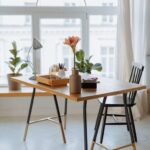
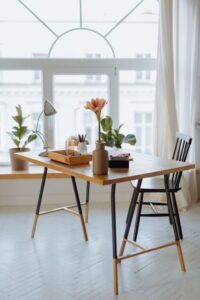
Whenever possible, position your desk near a window. Natural light has been shown to improve mood and energy levels. Just be mindful of glare on your computer screen, which can strain your eyes. Using blinds or curtains can help control the light throughout the day.
Invest in Ergonomic Furniture
Select a Comfortable Chair
A supportive chair is the cornerstone of a productive home office. Look for an ergonomic chair with adjustable seat height, lumbar support, and armrests. Sitting comfortably helps prevent fatigue and back pain during long working hours.
Choose a Suitable Desk
Your desk should be large enough to accommodate your computer, essential tools, and some workspace. Consider an adjustable desk that lets you alternate between sitting and standing to promote better posture and circulation.
Organize Your Workspace Efficiently
Declutter Regularly
A tidy workspace keeps your mind clear. Limit your desk items to what you actually use daily and store the rest neatly in drawers or shelves. Digital tools also help reduce paper clutter by keeping documents organized online.
Use Smart Storage Solutions
Incorporate storage like shelves, filing cabinets, or desk organizers to keep supplies within reach but out of the way. Clearly labeled containers can speed up finding what you need and help maintain order.
Optimize Lighting
Balance Natural and Artificial Light
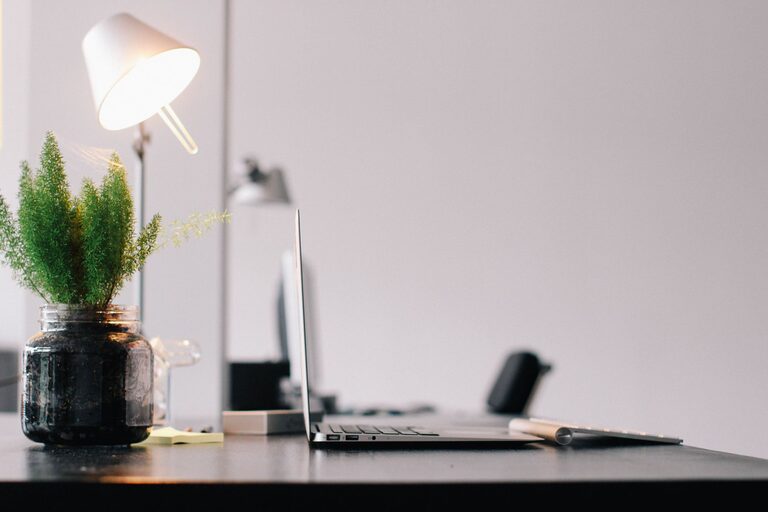
A combination of natural daylight and well-placed artificial lighting reduces eye strain. Use task lamps to illuminate specific areas, and avoid harsh overhead lights that create shadows or glare.
Choose Appropriate Light Bulbs
Opt for bulbs that emit a soft white or daylight hue. These provide a comfortable light temperature that keeps you alert without being too harsh.
Minimize Distractions
Control Noise Levels
If external noise is unavoidable, consider soundproofing options such as heavy curtains, rugs, or even noise-cancelling headphones. Playing soft background music or white noise may also help mask disruptive sounds.
Limit Digital Interruptions
Turn off unnecessary notifications on your devices and use productivity apps to block distracting websites during work hours. Setting specific times to check emails or messages can improve your focus.
Personalize Your Space
Add Elements That Inspire You
Decorate your office with items that motivate you—a favorite plant, artwork, or photographs. Personal touches create a welcoming atmosphere that can boost your mood and creativity.
Keep Comfort Essentials Nearby
Consider a cozy blanket, a water bottle, or a small fan to maintain your comfort as you work. Being physically comfortable supports mental focus and endurance.
Maintain Good Air Quality
Ventilate Regularly
Open windows when possible to let fresh air circulate. Good ventilation reduces stuffiness and can increase your alertness.
Include Indoor Plants
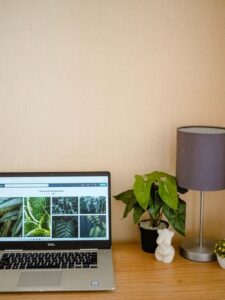
Plants not only improve air quality but also add a calming element to your workspace. Easy-care plants like snake plants or pothos are great options for home offices.
Establish a Routine and Boundaries
Set Clear Work Hours
Define when your workday begins and ends to create structure and prevent burnout. Communicate these boundaries with family or housemates to minimize interruptions.
Take Regular Breaks
Short breaks throughout the day help maintain concentration and reduce fatigue. Use techniques like the Pomodoro method to balance focused work periods with rest.
—
By thoughtfully setting up your home office with these tips, you can create a space that supports both your productivity and comfort. Small changes make a big difference, so start with what feels right and adjust as you go. A well-designed workspace not only helps you get more done but also makes working from home a more enjoyable experience.

More Stories
Tips for Creating a Cozy and Productive Home Office Space
Tips for Creating a Cozy Reading Nook in Any Space
Tips for Organizing a Clutter-Free Workspace at Home